
M.E. Embedded Systems
M.E. Embedded Systems
M.E. Embedded Systems overview
M.E. Embedded Systems
M.E. Embedded Systems is a two-year Post-Graduate Electrical Engineering course. It was started in the year 2021 from the academic year 2021-2022 under the Department of Electrical and Electronics Engineering (EEE) and the student intake is 18. The department is recognized as Research Centre by Anna University, Chennai from the year 2009.
The M.E program is aimed at providing a deeper understanding of the mathematical, theoretical, practical and application aspects of embedded system area. The curriculum comprises of subjects related to the embedded systems area under the broad categories of mathematics for electrical engineering, fundamental and advanced topics in embedded system, and applications of embedded system in communication, image and video processing, computer vision, digital instrumentation, microcontroller based design, Advanced VLSI Circuits and computer network areas.
The curriculum and syllabus for the programs offered in the department are designed as per Regulation 2020 of the autonomous system. The curriculum is designed to achieve a balance between the depth of knowledge acquired through specialization and the breadth of knowledge gained through exploration. The curriculum has been designed to create professional electrical and electronics engineers, who can serve in the fields of core electrical engineering, information and communication systems, and other related fields.
Resource Shortcuts

Vision
To become a center of excellence in Electrical and Electronics Engineering education and research, nurturing technologically superior, socially conscious engineers and leaders and nationally responsible citizens.
Mission
M1. Providing exemplary learning environment and Imparting quality education in Electrical and Electronics domains to equip students with a broad range of intellectual spectrum and skills. M2. Providing additional skills and training to meet the current needs of the industry. M3. Inculcating moral values to meet the challenges of life with courage and confidence.
Program Educational Objectives (PEOs)
PROGRAM EDUCATIONAL OBJECTIVES (PEOs) PEO 1: Graduate will be able to execute the principles of basic science, mathematics and engineering fundamentals necessary to formulate, solve and analyze engineering problems. PEO 2: Graduate will be able to accrete the knowledge for pursuing advanced degrees in Engineering, Science, Management, Research and Development. PEO 3: Graduate will be able to effectuate professionalism, leadership qualities, self and continuous learning and concern for environment to meet the societal needs. PROGRAM SPECIFIC OUTCOMES (PSOs)
Program Specific Outcomes (PSOs)
PSO1: Graduates will acquire the knowledge of design, performance & testing of static & dynamic Electrical Machines, Electrical Drives, Power Electronics applicable in core and related fields. PSO2: Graduates will attain knowledge and acquire skills by applying modern software tools for design, simulation and analysis of Electrical Systems to successfully adapt in multi-disciplinary environments.
Programme Outcomes (POs)
HOD's Message
"M.E. Embedded Systems is a two-year Post-Graduate Electrical Engineering course. It was started in the year 2021 from the academic year 2021-2022 under the Department of Electrical and Electronics Engineering (EEE) and the student intake is 18. The department is recognized as Research Centre by Anna University, Chennai from the year 2009. The syllabi of the courses are continuously updated and the laboratories are modernized to reflect the rapid changes in technology. Supplementing the regular curriculum, the students are encouraged to participate in R&D efforts by involving themselves in the sponsored projects executed by the faculty members of the department and other associated research activities. The M.E program is aimed at providing a deeper understanding of the mathematical, theoretical, practical and application aspects of embedded system area. The curriculum comprises of subjects related to the embedded systems area under the broad categories of mathematics for electrical engineering, fundamental and advanced topics in embedded system, and applications of embedded system in communication, image and video processing, computer vision, digital instrumentation, microcontroller based design, Advanced VLSI Circuits and computer network areas. The curriculum and syllabus for the programs offered in the department are designed as per Regulation 2020 of the autonomous system. The curriculum is designed to achieve a balance between the depth of knowledge acquired through specialization and the breadth of knowledge gained through exploration. The curriculum has been designed to create professional electrical and electronics engineers, who can serve in the fields of core electrical engineering, information and communication systems, and other related fields."
Centres of Excellence
Laboratories & Facilities
Lab Spaces & Study Environments

Research Disclosures
Core Department Faculty Profiles
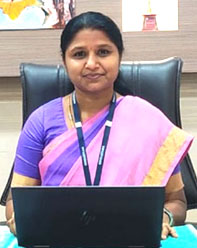
J JAYA
Professor & Principal
K Mathan
Associate Professor
K Kalaiselvi
Professor
N J R Muniraj
Professor & Dean (Research)
A Mythilyy
Assistant Professor
P Geetha
Associate Professor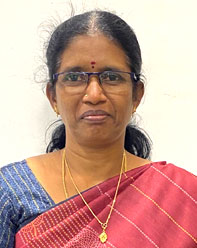
P Vijayalakshmi
Professor & Head
S Karpagam
Assistant Professor
J Ramya
Associate Professor
P F Khaleelur Rahiman
Associate Professor
T Manjula
Associate Professor
KA Pranesh
Assistant Professor
A Shankar
Associate Professor
M Thiruppathi
Assistant Professor
P Suresh Kumar
Assistant Professor
T Anandaselvakarthik
Assistant Professor
T Boobalan
Assistant Professor
M Gayathiri
Assistant Professor
R Arunprasath
Assistant Professor
M Ponmathy
Assistant Professor
P Sam Jenifer
Assistant Professor
P Karthikeyan
Assistant Professor
P Vimal
Assistant Professor
P Priyanga
Assistant Professor
K Nithya
Assistant Professor
T Dharanika
Assistant Professor
P S Diwakar
Assistant Professor
G Muthuraj
Assistant Professor
S Ambiga
Assistant Professor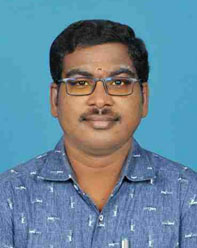
V SanthoshKumar
Assistant Professor